WhatsAppCHAT
CALL US& CONNECT


Germany, known as Europe’s powerhouse, stands as a global leader in academic excellence and innovative research. Its education system attracts students from around the world for its quality, affordability, and international recognition.
At the forefront of biotechnology innovation, Germany plays a vital role in addressing global challenges, including healthcare, environmental sustainability, and food security. The country is home to some of the most advanced scientific infrastructures and research institutions in the world.
A Master’s degree in Biotechnology from Germany offers students hands-on experience in state-of-the-art laboratories and industrial environments, combined with strong theoretical foundations.
Let’s explore the top universities, key specializations, and everything you need to know about pursuing a Master’s in Biotechnology in Germany. You can also learn more about the benefits of studying in Germany to understand why it remains a preferred destination for international students.
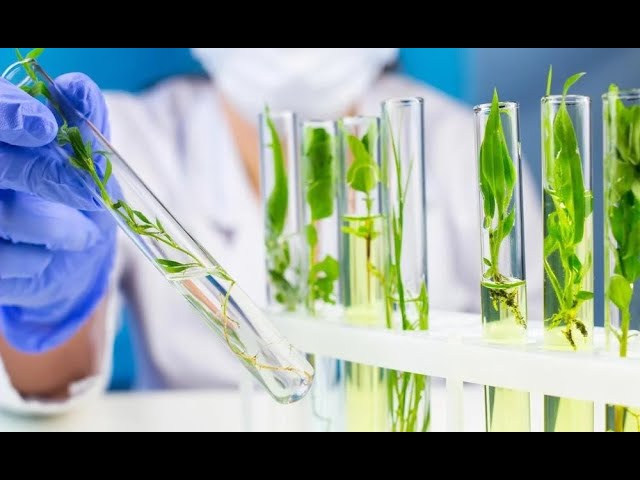
Biotechnology is a multidisciplinary field that integrates biology, chemistry, physics, engineering, and computer science. German universities offer a wide range of specialized degrees to suit various career goals and research interests.
This specialization focuses on applying biological processes to industrial production. Students learn how to use microbial systems to create biofuels, bioplastics, and other sustainable products. The curriculum often includes topics such as bioeconomy principles, metabolic engineering, and bioprocess engineering.
This area emphasizes the development of therapeutic drugs, vaccines, and diagnostic tools. Students explore molecular diagnostics, regenerative medicine, and personalized medicine to gain expertise in fields crucial to the healthcare industry.
This specialization addresses pressing environmental issues, including climate change, waste management, and pollution. Core topics include bioremediation, sustainable resource management, and renewable energy technologies, such as biohydrogen production.
This specialization focuses on molecular tools and techniques and covers cell biology, protein engineering, and genetic engineering. It is ideal for students aspiring to drive scientific innovation and pursue careers in research and development.
This branch applies biotechnological methods to improve food production, enhance nutritional value, and ensure food safety. Subjects include bioactive compounds, food microbiology, and fermentation technology.
Combining biotechnology with data analysis, this specialization deals with genome sequencing, protein structure modeling, and computational drug design. It is particularly suitable for biology students interested in data-driven and computational approaches to research.
Here are the top 15 universities in Germany, renowned for their Biotechnology Master’s programs:

Most Master’s programs in Biotechnology in Germany last 2 years (4 semesters).
The first year generally focuses on core theoretical modules, laboratory training, and project work, while the second year emphasizes research and thesis development.
Main Intake: October (Winter Semester)
Secondary Intake: April (Summer Semester)
International students are advised to start preparing their applications 8–10 months before the program start date to ensure the timely processing of visas and documents.
To ensure graduates are job-ready, most Biotechnology Master’s programs in Germany emphasize hands-on industry experience. Leading biotech companies, research institutes, and hospitals frequently collaborate with universities to provide internships, co-op placements, and thesis projects.
Some universities also include mandatory industrial assignments to help students gain real-world exposure.
Master’s programs in Biotechnology from German universities are highly valued by both academic institutions and global industries. Graduates gain advanced technical knowledge, research skills, and practical experience, making them well-prepared for diverse career paths in the biotechnology sector.
Average Salary Range: €45,000–€60,000 per year (entry-level)
Leading Employers: Merck Group, BASF, Roche, Bayer, and the Fraunhofer Institutes
Germany is one of the most dynamic biotechnology markets in Europe, employing more than 700,000 professionals across various sectors of the bioeconomy, including healthcare, pharmaceuticals, agriculture, and environmental sciences.
While many Biotechnology programs in Germany are taught in English, learning basic German is highly recommended — it enriches your daily life and significantly boosts your job prospects.
Recommended Language Tests:
To apply for a Master’s in Biotechnology in Germany, you’ll typically need:
| Expense Type | Estimated Monthly Cost (€) |
| Accommodation | 350–600 |
| Food & Groceries | 150–250 |
| Health Insurance | 100–120 |
| Transport | 50–80 |
| Miscellaneous | 100–150 |
| Total Estimated Living Cost | 850–1,200 |
Yes, pursuing a Master’s in Biotechnology in Germany in 2025 is absolutely worth it. Germany remains one of the top destinations for higher education, offering tuition-free or low-cost programs at public universities, world-class research facilities, and strong collaborations between academia and industry.
Biotechnology in Germany is expanding rapidly due to major investments in pharmaceuticals, healthcare, and environmental research. Graduates with a Master’s degree in Biotechnology can build successful careers in areas such as industrial bioprocessing, genetic engineering, drug discovery, and bioinformatics. Leading companies such as Bayer, Boehringer Ingelheim, BASF, and the Merck Group offer excellent career opportunities.
While fully funded scholarships are highly competitive, it is possible to secure one through programs like the DAAD Scholarship, Erasmus+ Master’s, or university-specific funding options. Many Biotechnology students also receive research assistantships or merit-based tuition waivers that cover both tuition and living costs.
By 2025, Germany’s economy is expected to show steady recovery, supported by strong growth in the biotechnology, renewable energy, and technology sectors. Despite some industrial slowdowns, the life sciences and innovation industries remain stable, offering promising job opportunities for Biotechnology graduates.
Graduates of Biotechnology Master’s programs in Germany can work in pharmaceutical companies, bioinformatics firms, research organizations, and healthcare startups. International students are allowed to remain in the country for up to 18 months after graduation under a post-study work visa to find suitable employment or pursue research.
Average entry-level salaries typically range from €45,000 to €60,000 per year, depending on experience and specialization.











Indeed, a very useful document. Thanks.
Thank you!