CALL US& CONNECT



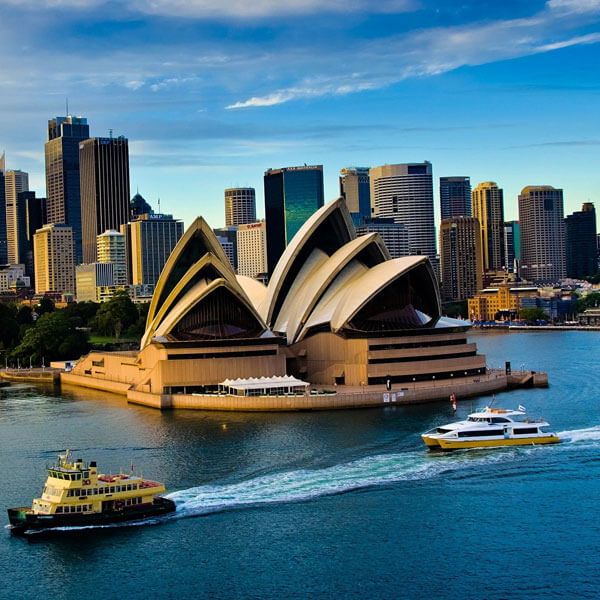






An article on what no one tells Indian students
Every year, thousands of Indian families land at their child’s new university city armed with a carefully made budget, and within 90 days, that budget is in ruins. Not because of recklessness. Because the real or the hidden costs of studying abroad is almost never the number on the university brochure.
At Maven Consulting, we have guided over 500 students from Bengaluru and across Karnataka through the entire study abroad journey. The single most common financial shock we hear about? Hidden costs that nobody warned them about. This guide is our attempt to fix that — before you board that flight.
| ₹4–7L Typical Year 1 Hidden Cost Gap | 23+ Distinct Hidden Cost Categories | 2–4% Forex Loss on Every Transfer |
Phase 1: Pre-Departure Costs (India Side)
The money you spend before you leave India is often invisible in financial planning. Families focus on fees payable to the university — but the application and pre-departure phase alone can cost ₹1–2.5 lakh.
| Application & Pre-Departure Fees | ₹80,000 – ₹2,50,000 |
|---|---|
| University application fees (5–8 universities × $50–$100) | ₹25,000 – ₹65,000 |
| TOEFL / IELTS registration (2–3 attempts typical) | ₹15,000 – ₹35,000 |
| GRE / GMAT registration (if required) | ₹17,000 – ₹25,000 |
| Official transcript notarisation & courier | ₹5,000 – ₹12,000 |
| Credential evaluation (WES, ICES, ECE) | ₹8,000 – ₹18,000 |
| Visa application fee + biometrics | ₹12,000 – ₹28,000 |
| SEVIS fee (US students only) | ₹18,000 – ₹22,000 |
| Medical examination for visa | ₹6,000 – ₹18,000 |
| Travel insurance pre-departure | ₹4,000 – ₹10,000 |
| Flight tickets (one-way international) | ₹35,000 – ₹90,000 |
| Estimated Pre-Departure Total | ₹1,25,000 – ₹3,23,000 |
WES Evaluation: The Cost Nobody Mentions
WES credential evaluation is mandatory for Canadian and many US universities. At current exchange rates it costs ₹8,000–18,000 before courier charges. Allow 8–12 weeks for processing. Late applicants who expedite this can pay 3× the base fee.
Phase 2: Arrival & Setup Costs (First 30 Days)
The first month abroad is the most expensive per-day of any student’s academic life. You are setting up an entire household from scratch, often without family support, in a country with different pricing norms. This phase typically costs ₹1.2–2.5 lakh and is almost never budgeted for separately.
| Arrival & Setup Expenses | ₹1,20,000 – ₹2,50,000 |
|---|---|
| Security deposit on accommodation (typically 1–2 months rent) | ₹60,000 – ₹1,40,000 |
| Bedding, pillows, towels, kitchen basics | ₹8,000 – ₹20,000 |
| Winter clothing / seasonal wardrobe (non-tropical countries) | ₹15,000 – ₹45,000 |
| Local SIM card + first month plan | ₹1,500 – ₹5,000 |
| Airport pickup or first-week transport | ₹4,000 – ₹14,000 |
| Groceries & eating out while settling in | ₹10,000 – ₹25,000 |
| Cooking equipment, utensils, small appliances | ₹5,000 – ₹15,000 |
| Bank account setup (initial deposit often required) | ₹5,000 – ₹20,000 |
| Estimated Arrival & Setup Total | ₹1,11,500 – ₹2,92,000 |
Maven Tip: The Facebook Marketplace Strategy
Most university cities have active student Facebook groups where graduating students sell everything — bedding, lamps, pots, fans — for very little. Students who connect with these groups before arrival routinely cut setup costs by 40–60%.
Phase 3: University Fees Not in the Brochure
The tuition figure in a university brochure is rarely what you actually pay. Universities layer mandatory fees on top of tuition. These are not optional and can add ₹60,000–₹1.5 lakh per year to your bill.
| Mandatory University Add-On Fees | ₹60,000 – ₹1,50,000 / year |
|---|---|
| Student activity / recreation fee | ₹8,000 – ₹30,000 |
| Technology / IT infrastructure fee | ₹10,000 – ₹25,000 |
| Health services / student wellness fee | ₹10,000 – ₹35,000 |
| International student services fee | ₹8,000 – ₹22,000 |
| Library & learning resource fee | ₹5,000 – ₹15,000 |
| Campus sustainability / green fee | ₹3,000 – ₹8,000 |
| Transportation / transit pass fee | ₹10,000 – ₹25,000 |
| Estimated Annual Add-On Fees | ₹54,000 – ₹1,60,000 |
Always Request the Full Cost of Attendance Document
Every accredited university publishes a full Cost of Attendance (COA) including all mandatory fees, estimated living costs, books, and personal expenses. Do not base your budget on the tuition figure alone. Ask your admissions contact for the complete COA before accepting the offer.
Phase 4: Health Insurance — The Budget Line Everyone Misreads
Mandatory health insurance for international students is a major annual expense that is often drastically under-budgeted. In India, many families have either no health insurance or low-cost employer coverage. Abroad, this is compulsory.
| Health Insurance Costs by Country | ₹60,000 – ₹1,80,000 / year |
|---|---|
| USA — university health plan (mandatory at most schools) | ₹70,000 – ₹1,80,000/yr |
| Canada — provincial coverage + student plan | ₹25,000 – ₹90,000/yr |
| UK — Immigration Health Surcharge (IHS, paid at visa stage) | ₹70,000 – ₹1,40,000/yr |
| Australia — Overseas Student Health Cover (OSHC, mandatory) | ₹30,000 – ₹70,000/yr |
| Germany / EU — public or private plan | ₹15,000 – ₹55,000/yr |
Dental & Vision Are NOT Included
Health insurance abroad typically does not include dental or vision coverage. These are separate plans and can add ₹15,000–35,000 per year. Always check what is covered — and what is not — before assuming your plan is comprehensive.
Phase 5: Academic Costs Beyond Tuition
In many countries, textbooks are not included in tuition — they are sold separately, often at prices that shock Indian families. A single STEM textbook in the US or Canada can cost ₹8,000–15,000.
| Annual Academic Material Costs | ₹25,000 – ₹90,000 / year |
|---|---|
| Textbooks (new) — STEM / business courses | ₹35,000 – ₹85,000/yr |
| Textbooks (used / rented) | ₹12,000 – ₹35,000/yr |
| Lab materials / safety equipment | ₹5,000 – ₹20,000/yr |
| Software licenses (design, stats, engineering tools) | ₹8,000 – ₹30,000/yr |
| Printing, stationery, course packs | ₹3,000 – ₹10,000/yr |
| Laptop / device upgrade (if required for programme) | ₹60,000 – ₹1,20,000 (one-time) |
Cut Textbook Costs by 60–80%
Buy used from departing students, rent through VitalSource or Chegg, request earlier editions from professors, or use university library reserve copies. Students who plan ahead save ₹25,000–50,000 per year on books alone.
Phase 6: The Invisible Forex Tax
Every time you transfer money from India to pay tuition or living expenses abroad, you pay a hidden fee — the gap between the official exchange rate and the rate your bank gives you, plus transfer fees. Over four years, this is a significant avoidable loss.
| Forex & Transfer Costs (Annual) | ₹25,000 – ₹80,000 / year |
|---|---|
| Bank wire transfer fees (per transfer, 6–8 transfers/year) | ₹1,500–3,500 per transfer |
| Exchange rate markup by Indian banks (2–4% on mid-market rate) | ₹20,000–60,000/yr on ₹15L transfers |
| Forex card reload fees + currency conversion charges | ₹3,000–8,000/yr |
| ATM withdrawal fees abroad (international cards) | ₹5,000–15,000/yr |
| Estimated Annual Forex Loss | ₹29,000 – ₹86,000/yr |
Platforms like Wise, Instarem, or BookMyForex typically offer rates 2–3% better than bank wires with lower fees. Over a 4-year degree, the difference can easily reach ₹1–3 lakh.
Phase 7: Social & Lifestyle Costs
Nobody warns Indian families that social participation has a cost. Student club memberships, weekend travel, streaming subscriptions, and the cultural expectation of splitting restaurant bills — student life abroad has real expenses no brochure covers.
| Social & Lifestyle Costs (Annual) | ₹60,000 – ₹1,80,000 / year |
|---|---|
| Weekend / holiday travel within the country | ₹25,000 – ₹80,000 |
| Dining out, cafes, social events with peers | ₹20,000 – ₹60,000 |
| Streaming subscriptions (Netflix, Spotify, etc.) | ₹5,000 – ₹10,000 |
| Phone plan upgrades, apps, cloud storage | ₹6,000 – ₹18,000 |
| Sports, gym, clubs, hobby activities | ₹8,000 – ₹25,000 |
| Annual trip home (flights) | ₹40,000 – ₹1,00,000 |
| Gifts, celebrations, cultural occasions | ₹5,000 – ₹15,000 |
Phase 8: Wellbeing Costs — Rarely Planned, Always Real
The transition to living abroad is emotionally demanding. Homesickness, academic pressure, culture shock, and identity adjustment are all real. University counselling services are often oversubscribed. Private therapy abroad is expensive.
| Mental Health & Wellbeing Costs | ₹0 – ₹1,20,000 / year |
|---|---|
| Private therapy / counselling (if university waitlist is long) | ₹3,500–8,000 per session |
| Telehealth / online therapy platforms (India-based therapists) | ₹8,000–25,000/yr |
| Yoga, meditation apps, wellness subscriptions | ₹3,000–8,000/yr |
| Comfort purchases — Indian food brands, items from home | ₹10,000–30,000/yr |
We include this not to alarm families, but to normalise planning for it. The students who thrive abroad are those whose families gave them permission — and budget — to invest in their wellbeing.
Complete Year 1 Study Abroad Hidden Costs Summary
Here is a consolidated view of all hidden cost categories — to sit alongside your tuition and accommodation budget when doing Year 1 financial planning.
| Cost Category | Timing | Conservative | Realistic High |
|---|---|---|---|
| Pre-Departure Costs Applications, tests, visa, flights | 6–12 months before | ₹1,25,000 | ₹3,00,000 |
| Arrival & Setup Security deposit, setup, clothing | Month 1 | ₹1,10,000 | ₹2,50,000 |
| University Add-On Fees Activity, tech, health, international fees | Annual | ₹55,000 | ₹1,50,000 |
| Health Insurance Mandatory student health plan | Annual | ₹60,000 | ₹1,80,000 |
| Academic Materials Textbooks, software, lab supplies | Annual | ₹25,000 | ₹90,000 |
| Forex Losses Transfer fees + exchange rate markup | Annual | ₹30,000 | ₹80,000 |
| Social & Lifestyle Travel, dining, subscriptions, return flight | Annual | ₹60,000 | ₹1,80,000 |
| Wellbeing Costs Mental health, comfort, home connection | Annual | ₹10,000 | ₹80,000 |
| TOTAL YEAR 1 HIDDEN COSTS | Year 1 | ₹4,75,000 | ₹12,10,000 |
Note on Exchange Rate Volatility
All INR figures are indicative based on 2024–25 exchange rates. The rupee has depreciated against major currencies over the long term — factor in 3–5% annual depreciation when projecting across a multi-year programme. Always maintain a 10–15% contingency buffer.
Pre-Departure Financial Checklist
Use this checklist to ensure you have accounted for every cost before your departure date:
- Obtained the full Cost of Attendance (COA) document from the university — not just the tuition figure
- Budgeted for all mandatory institutional fees (activity, technology, health services, international student)
- Confirmed health insurance plan details — and whether dental / vision is included
- Compared forex transfer platforms (Wise, Instarem, BookMyForex) against standard bank wire rates
- Opened a multi-currency bank account or arranged a forex card before departure
- Researched textbook rental and used book options for your specific programme
- Budgeted security deposit (1–2 months rent) separately from ongoing monthly living costs
- Allocated ₹15,000–45,000 for winter clothing if moving to a cold-weather country
- Set aside a 10–15% contingency buffer over and above your total budget estimate
- Discussed a mental health / wellbeing budget with family — not just academic expenses
- Checked if your university allows waiving the mandatory health plan with private coverage
- Verified whether your Indian bank charges international ATM and card usage fees
Don’t Let Hidden Costs Derail Your Study Abroad Plans
At Maven Consulting, our financial planning sessions go line-by-line through every cost category. We have helped 10,000+ students and families from Karnataka fulfil their study abroad dream and survive contact with reality.
Related Reading from Maven Consulting
Explore these related guides to build a complete picture of your study abroad investment:
- Financial ROI of Studying Abroad: Is It Worth It for Indian Families?
- Job Outcomes for Indian Students Who Study Abroad
- How Universities Abroad Really Evaluate Indian Students
Disclaimer: All INR figures in this guide are indicative and based on approximate 2024–25 exchange rates. Individual costs vary significantly by country, institution, and lifestyle choices. This guide is intended for general financial planning purposes only. Maven Consulting Services recommends working with a qualified financial advisor for personalised advice.